ROVING PIANIST

WHO KNOWS WHERE HE WILL SHOW UP NEXT?

  • Home
    • Register
    • Log In
  • Concerts
    • Public concerts
    • Private Concerts
  • Quick Takes
  • Piano Blog
  • Other
  • Contact
  • About
    • About The Author
    • Privacy Policy
You are here: Home / Archives for Brahms

Kang and Halpern duo charm NYC Salon

Friday, April 3rd, 2026 by Ken Turner

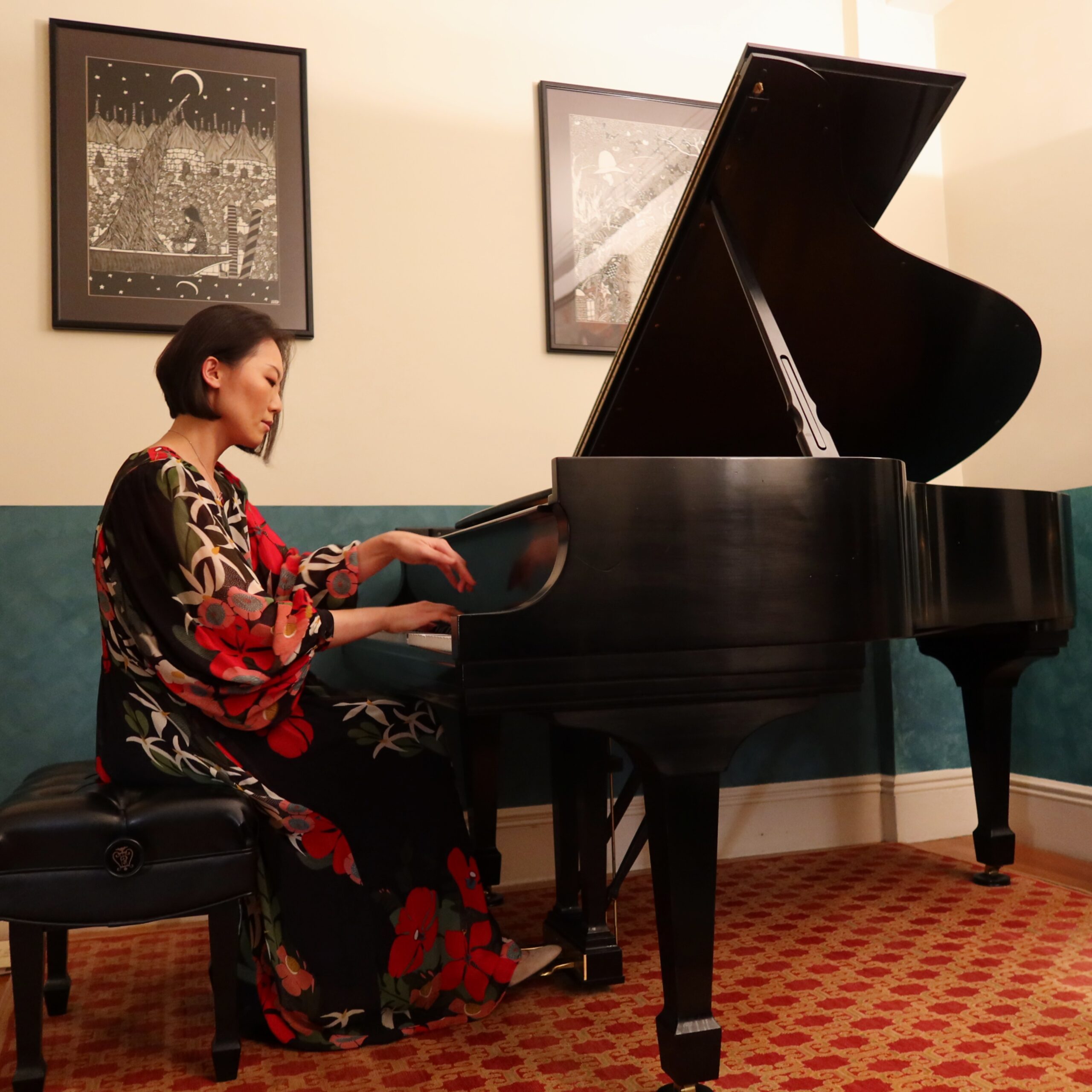
Min Young Kang and Joshua Halpern

On Saturday March 28th, 2026 I attended a Salon Concert at the Shoemaker residence in NYC. The concert featured cellist Joshua Halpern and collaborative pianist Min Young Kang.

Mr. Halpern introduced the program of duets, which had two sections: French and German. He contrasted the traditional style of Saint-Saëns with the more experimental nature of Gabriel Fauré.

He also discussed the Schumann-Brahms relationship. I was surprised to learn that they met only 3 years before Schumann passed away.

Saint-Saëns: Two Romances
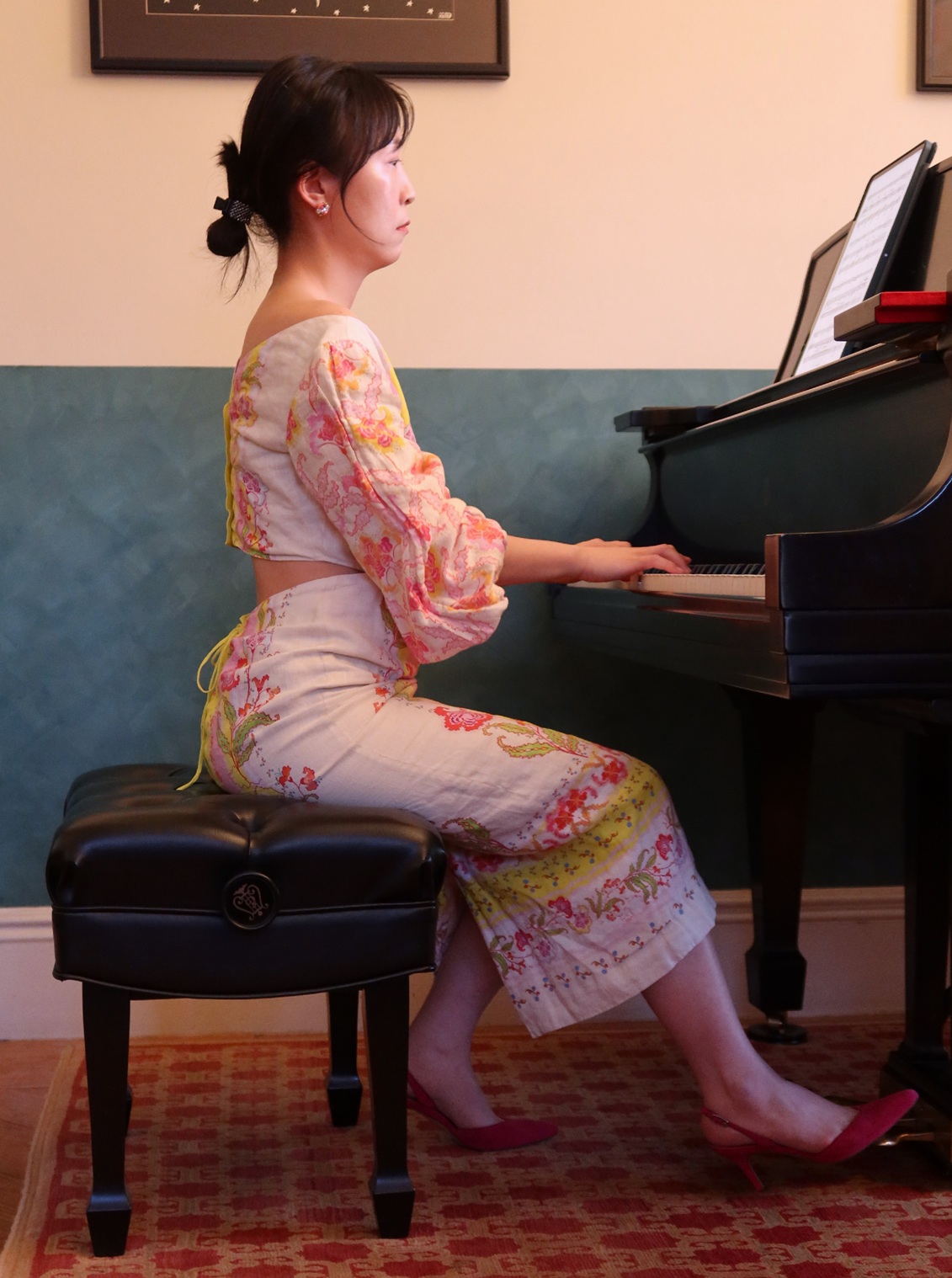
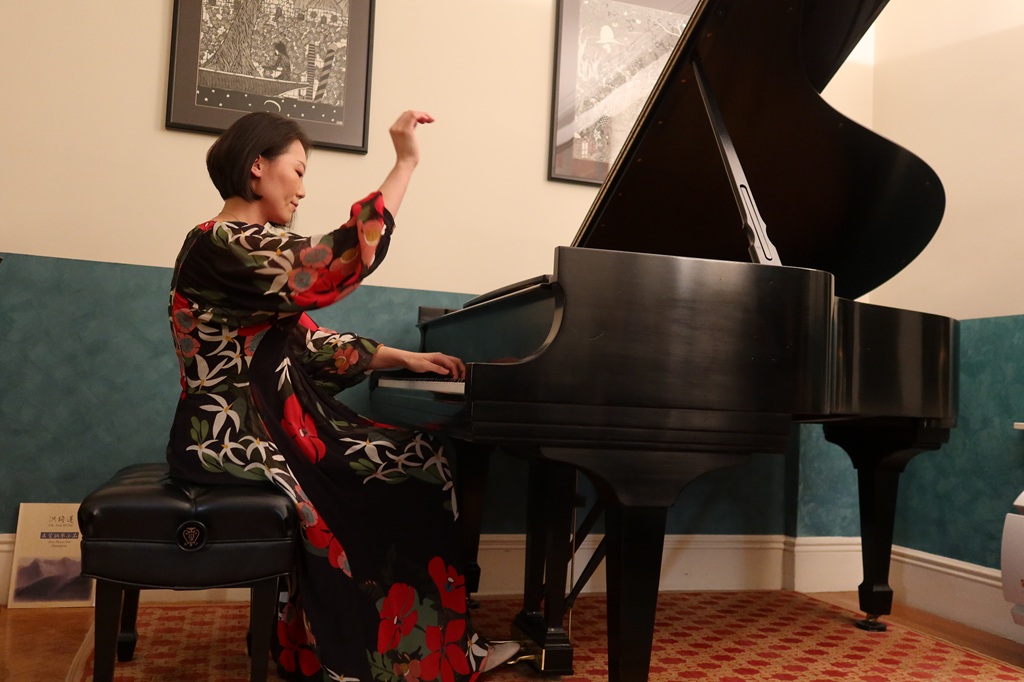
Min Young Kang NYC 3/28/2026

The first romance (F major Op. 36) consisted of long cello phrases over slow, dance-like piano. The middle section was more jagged, then the serene main theme returned. I loved the sensitive interplay between piano and cello, a finely-tuned collaboration where the two musicians played as one. Impressive, given that this was their first public performance of this work!

In the second romance (D major, Op. 51) the piano was more forward and engaging, and the cello part seemed harder. While this romance had a beautiful ending, my heart was still with the first (Op. 36).

Fauré: Sonata for Cello & Piano No. 1 in D minor, Op. 109

(Portions provided by Ms. Diana Zalisna)

After the Saint-Saëns appetizers, Faure’s wartime (1917) work felt uncomfortable. The unsettled pulse of the opening Allegro, delivered with conviction by pianist Min Young Kang, contrasted with the more melodic cello.  At times the piano chirped above and around the cello, like flashes of sunlight. The allegro closed with a brisk intertwining of cello and piano that elicited cheers from the audience.

The Andante started out sparse and agonized, before transforming into reflective, melodious cello over fragmented piano. The deep low end of Mr. Halpern’s cello grieved, yet there was hope as the piano sought to create light. The movement ended on a serene path of piano footsteps and fading cello.

The last movement Final – Allegro Comodo brought a welcome sense of release. The restless energy of the opening returned, lighter and more focused. The piano laid down a rhythmic foundation while the cello sang over it, tightly coordinated yet distinct. What had felt unsettled earlier now seemed to find its direction. Rather than just an energetic ending, this was a culmination that resolved the sonata’s inner conflicts and brought the work to a satisfying close.
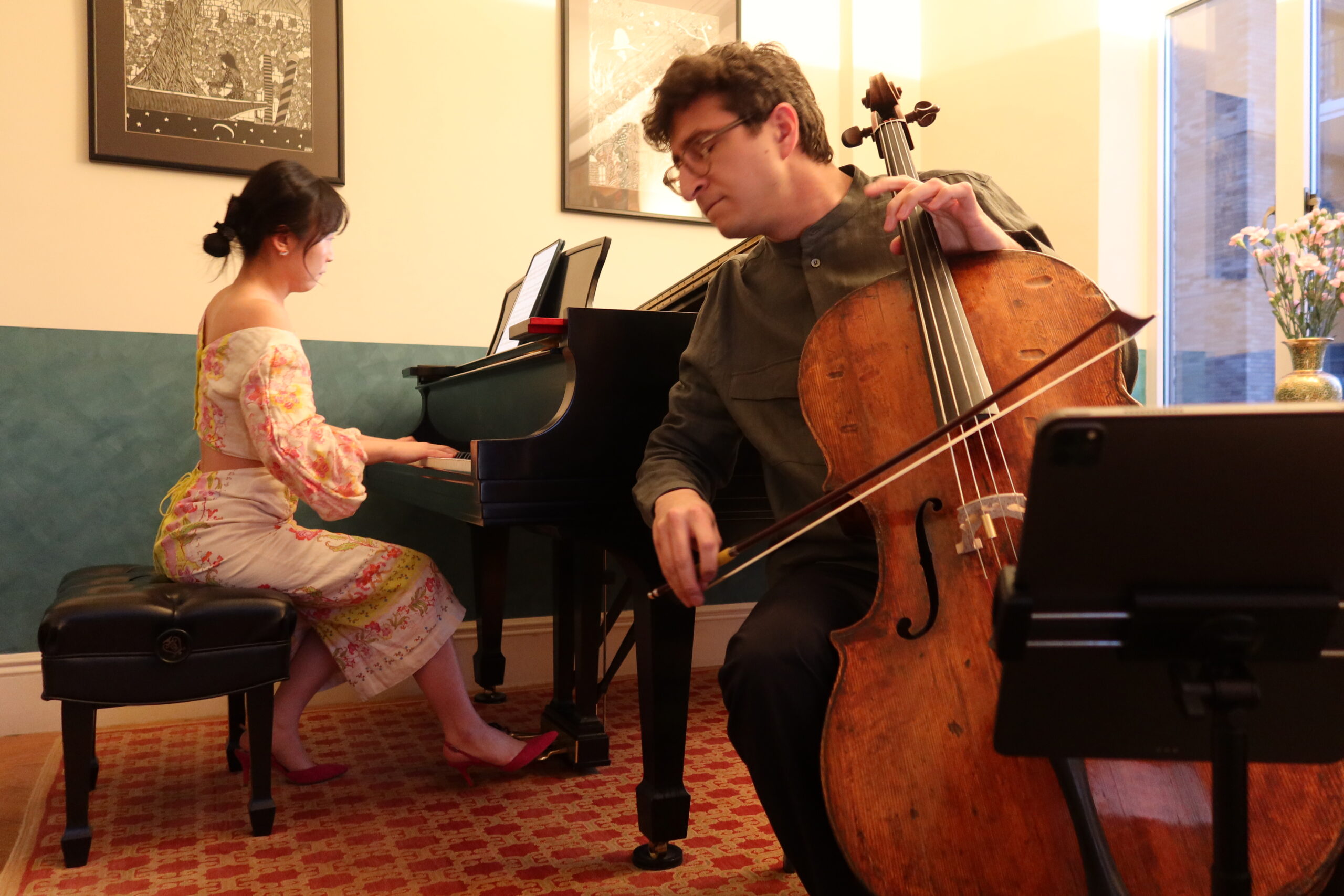
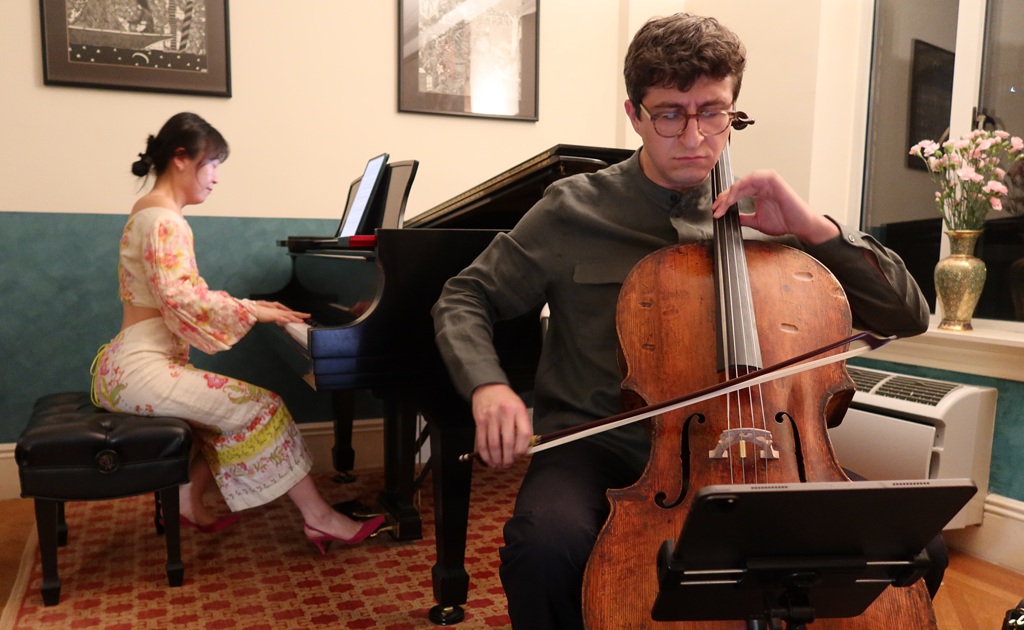
Really getting into it

Robert Schumann: Fantasiestücke, Op. 73

Introducing this work, Joshua Halpern explained Schumann’s use of different personas, notably the extroverted Florestan and the introverted Eusebius. These can be linked to the frequent and violent mood swings in Schumann’s compositions.

I found Fantasiestücke difficult to follow, because it felt fragmented and rambling. Perhaps Schumann’s personas were to blame, or perhaps I simply do not know this work well enough. However the perfectly aligned musicianship of the performers was unmistakable and impressive. At the close, some people cheered.

Brahms: Sonata for piano and cello in E minor, Op. 38

Joshua Halpern introduced this 1860’s work as young Brahms, contrasting it with Brahms’ second cello sonata written decades later. He also discussed Brahms’ roots in Bach and Beethoven.

The sonata opened in the gorgeous lowest register of the cello. Throughout the lengthy first movement the tonal richness of the cello blended well with Min Young Kang’s nimble piano. I occasionally sensed Beethoven in the piano, perhaps because of Mr. Halpern’s introduction. A couple of times I noted a descending motif that sounded like a precursor to the charming Intermezzo Op. 117  No. 1 that Brahms wrote 30 years later.

I enjoyed the droll, cheeky second movement (Allegretto Quasi Menuetto), but was puzzled by the absence of a slow movement. I later learned that Brahms had written one but discarded it.

The final Allegro consisted of spirited, often fugal dialogs between piano and cello that had my foot tapping. I’ve never thought of Brahms as “fun”, but the Allegro was a breath of fresh air after the weighty repertoire of Schumann and Fauré.

Encore
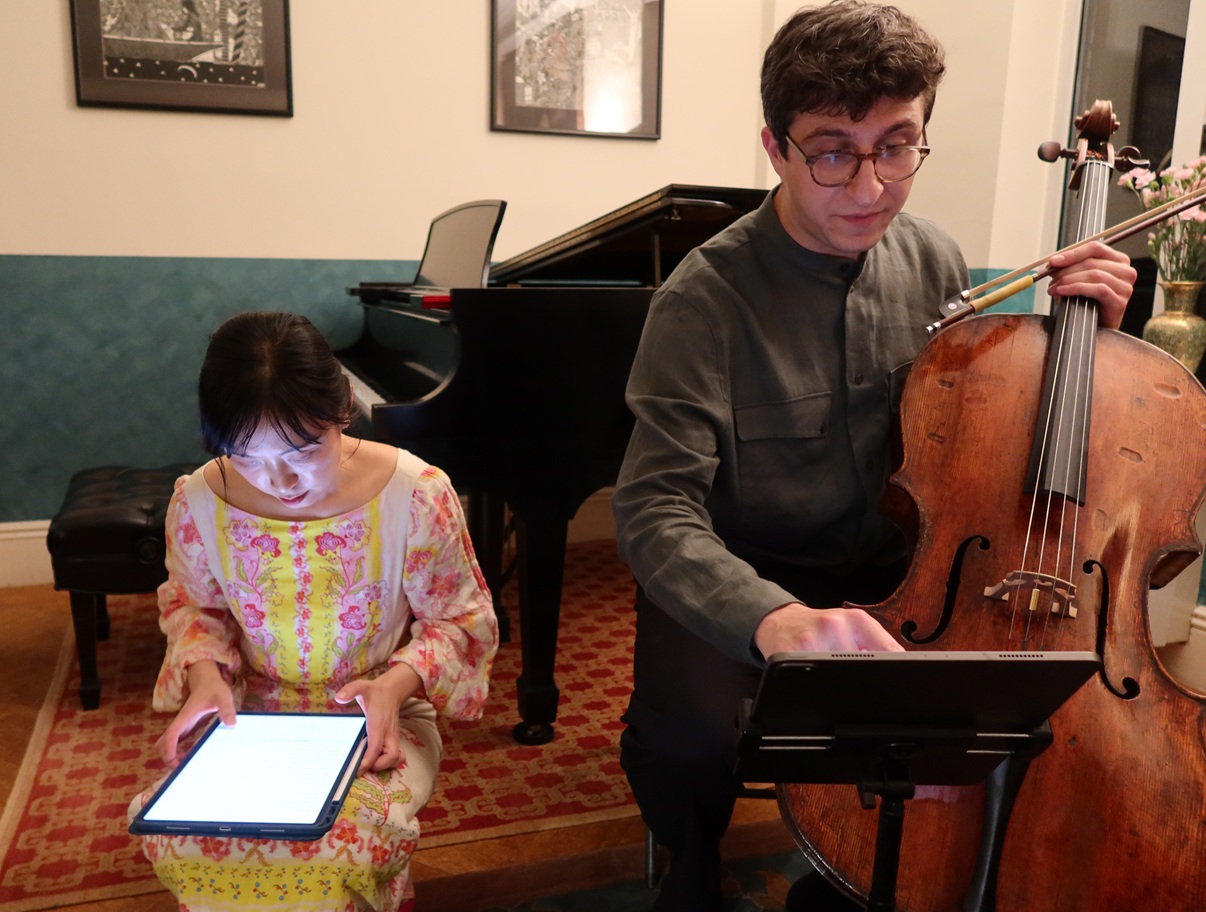
Finding Clara Schumann

Responding to clamor from their audience, Joshua and Min Young agreed to do an encore. I assumed that they had planned this. However as they struggled to find Clara Schumann’s Ich stand in dunklen Traumen in their digital tablets, I realized that these wonderful musicians were unprepared! But they found her, and gave a touching performance of this two-minute gem.
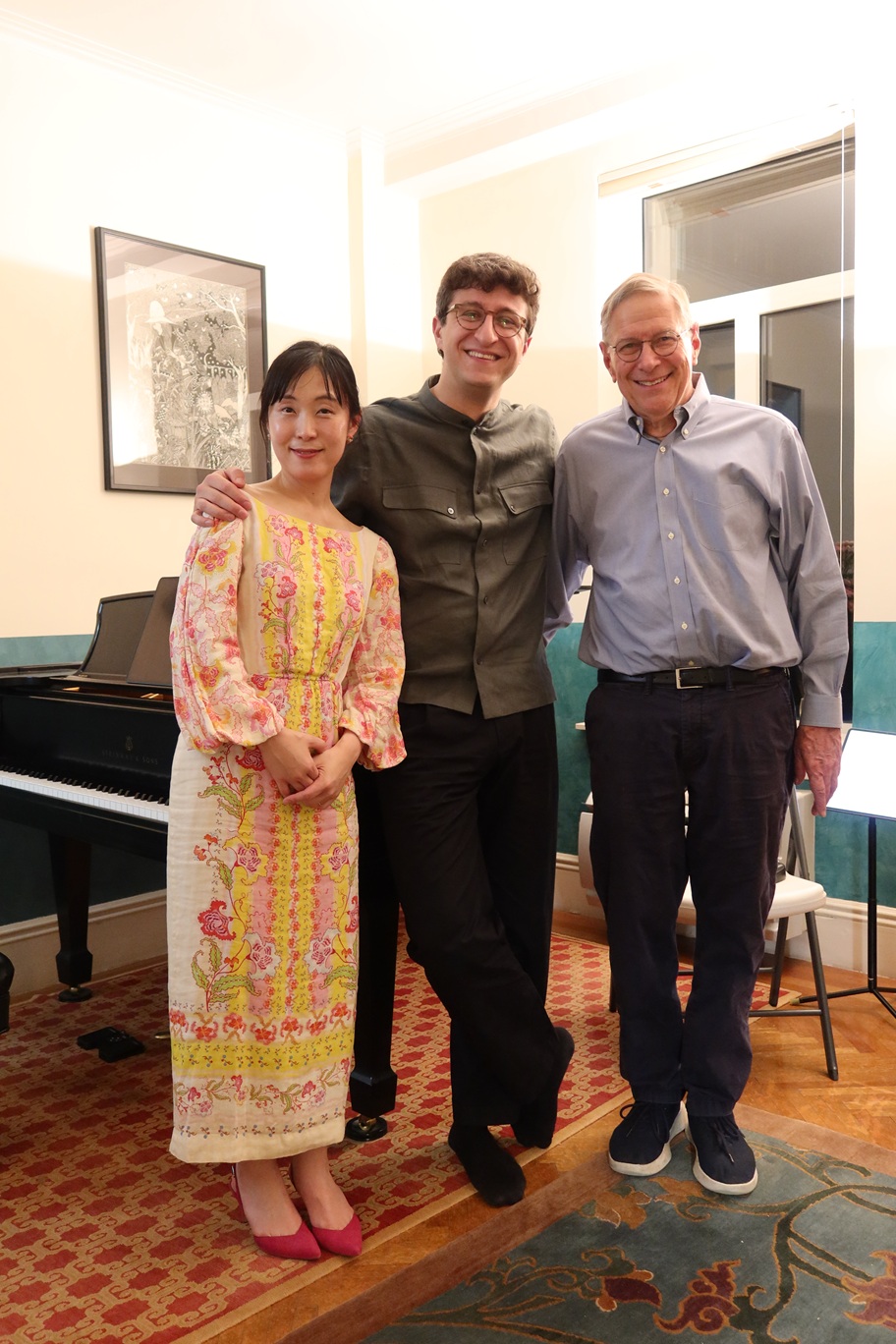
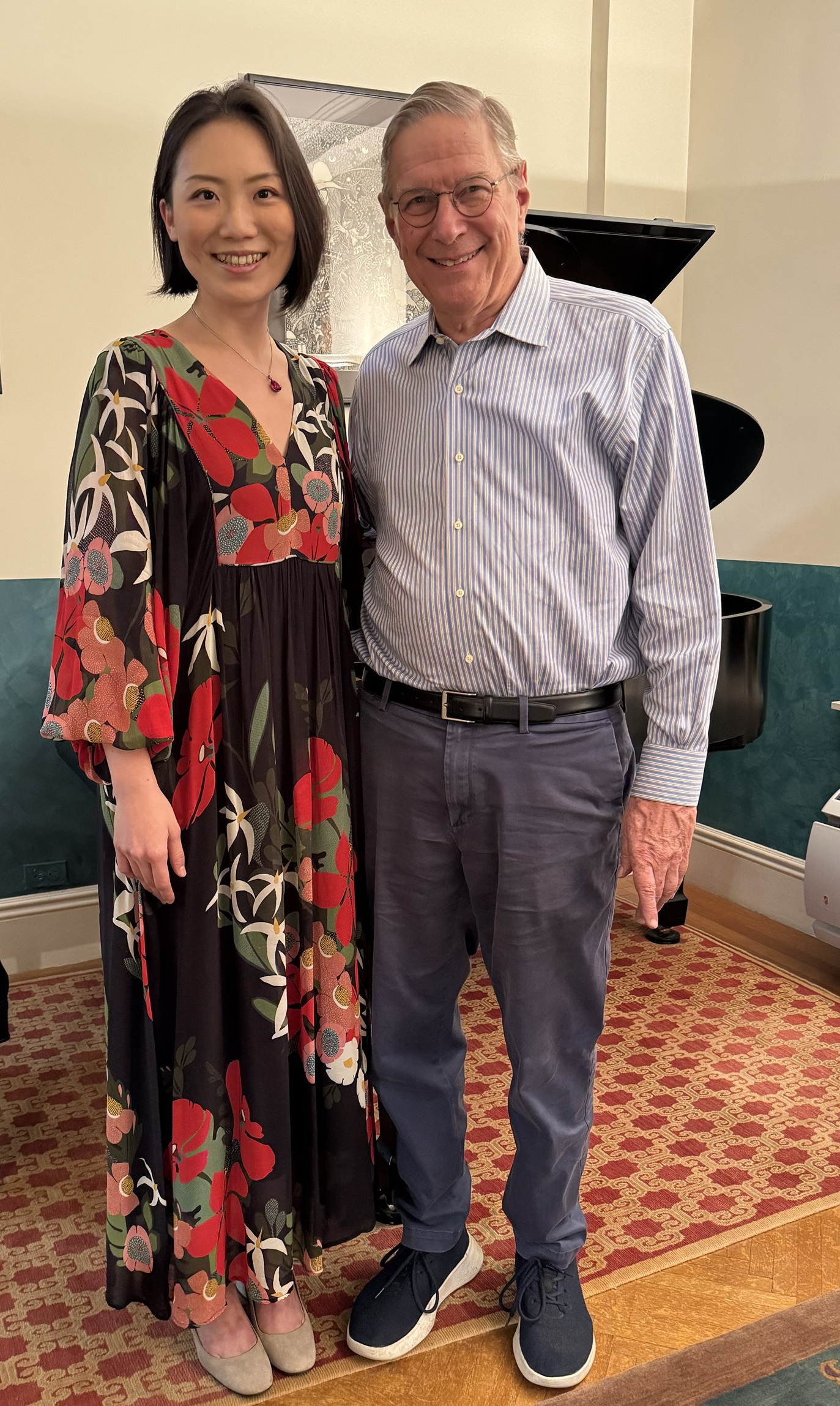
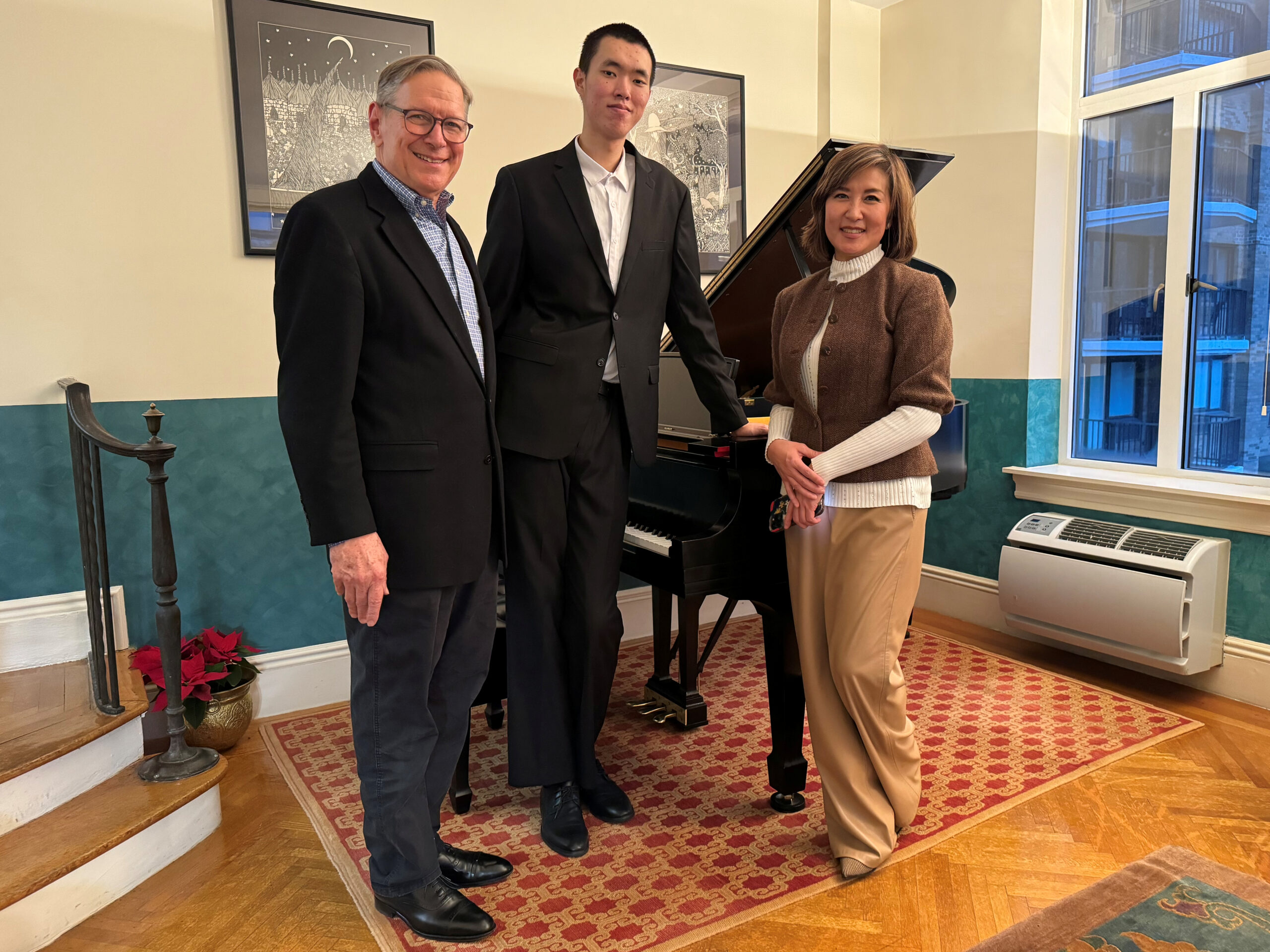
Min Young and Joshua with host Robin Shoemaker

About that Cello

Sitting near the cello, I noticed that it had a woodsy scent. Intrigued, I consulted Mr. Halpern. He explained that Domenico Busan of Venice made the cello around 1750. It had belonged to his former teacher Desmond Hoebig, and is now becoming acclimated to Mr. Halpern’s way of playing.

Closing Thoughts

We enjoyed Joshua Halpern’s informative commentary, salted with wry humor. I would have liked to hear more from pianist Min Young Kang. Her low-key presence made it easy to take the piano for granted. But in this recital the piano was the cello’s flawless peer, and integral to the impassioned musical experience that they created together.
 

Filed Under: Concerts, Private Concerts Tagged With: Brahms, cello, Clara Schumann, Diana Zalisna, Domenico Busan, Gabriel Fauré, Joshua Halpern, Min Young Kang, Robert Schumann, Robin Shoemaker, Saint-Saëns

Elegant Piano by Richarlita You in NYC

Wednesday, November 19th, 2025 by Ken Turner

Richarlita You at Central Park West

Richarlita You

On Saturday November 15th, 2025, I attended Richarlita You‘s recital at Robin Shoemaker’s salon on Central Park West, New York.

Richarlita You is currently returning to the stage after a two-year hiatus. Her repertoire for this concert was more a musical biography than a typical concert program. Each work represented a segment of her journey from childhood in Taiwan to life in the United States.

Schubert Impromptu B-flag major D.935 No. 3

Ms. You opened with Schubert’s delicate, wistful B-flat Impromptu. She described it as a reflection of her childhood, and of the moment she committed to becoming a pianist. I thought I recognized that moment in the sober, almost somber close of this otherwise uplifting work.

Liszt: La Campanella

Liszt’s notorious étude followed. While there was some tension in the delivery, it was vigorous and entertaining. I particularly enjoyed watching the pianist’s repeated-note technique from my front-row vantage point.

Scriabin: Sonata No. 2 in G# minor Op. 19 “Sonate-Fantasie”

The emotional center of Richarlita’s program began with Scriabin’s Sonata. In it she recognized echoes of her early years after crossing the ocean to the United States, finding a “path that we shared” in Scriabin’s oceanic composition. Her interpretation was heartfelt and evocative.

Richarlita You

Debussy: Clair de Lune

For Richarlita You, this work is a personal refuge. During her challenging early months at Juilliard, Spotify serendipitously selected Debussy’s Clair de Lune for her while she walked around Lincoln Center under a full moon. Her luminous performance carried that sense of serenity.

Brahms: Intermezzo in A major Op. 118 No. 2

Introducing Brahms as her favorite composer, Richarlita You mentioned the poignant story of Brahms’ love for Clara Schumann. The Intermezzo in A major Op. 118 No. 2 was Richarlita’s way of inviting us all to take a moment to think about the people that we love, and to cherish the precious relationships that we have with our loved ones.

True to the composer’s Andante teneramente (tender) marking, Richarlita’s Intermezzo wrapped us in warm, melancholic beauty.

Chi-Lien Hung: Memories (from Five Pieces for Pianoforte)

Richarlita You found  Chi-Lien Hung’s Memories in a bookstore by accident. The score reminded her of her home town and the land she grew up in  (Taiwan). This light, reflective pentatonic gem had an authentic Chinese feel.

Richarlita You with Robin Shoemaker

Balakirev: Islamey “Fantasie orientale”

Balakirev’s Islamey is a notoriously difficult work. The composer himself acknowledged that he couldn’t play some parts of it. Originally written in 1869, Balakirev revised it in 1902, adding alternative passages (ossias).

This was Richarlita You’s debut performance of Islamey, a bold way indeed to mark her return to public performance. Aside from the difficulty, this was a musically interesting experience. It is based on folk music from the Caucasus in Russia, giving it a certain brooding Russian taste.

Final Thoughts

Richarlita You’s recital was a brief musical autobiography, presented with elegance and considerable skill. The program’s personal thread was fascinating, and the intimate salon setting made the experience all the richer.

For those who missed this performance, the same repertoire is listed for her Groupmuse recital scheduled for Saturday January 17th, 2026.


Filed Under: Concerts, Private Concerts Tagged With: Balakirev, Brahms, Brahms Intermezzo, Chi-lien Hung, Clair de Lune, Debussy, Islamey, Richarlita You, Robin Shoemaker, Schubert, Schubert Impromptu, Scriabin, Xin-Hua Richarlita You

Prizewinning Pianist Jack Gao’s Concert of Contrasts

Wednesday, January 10th, 2024 by Ken Turner

Jack Gao at Central Park West

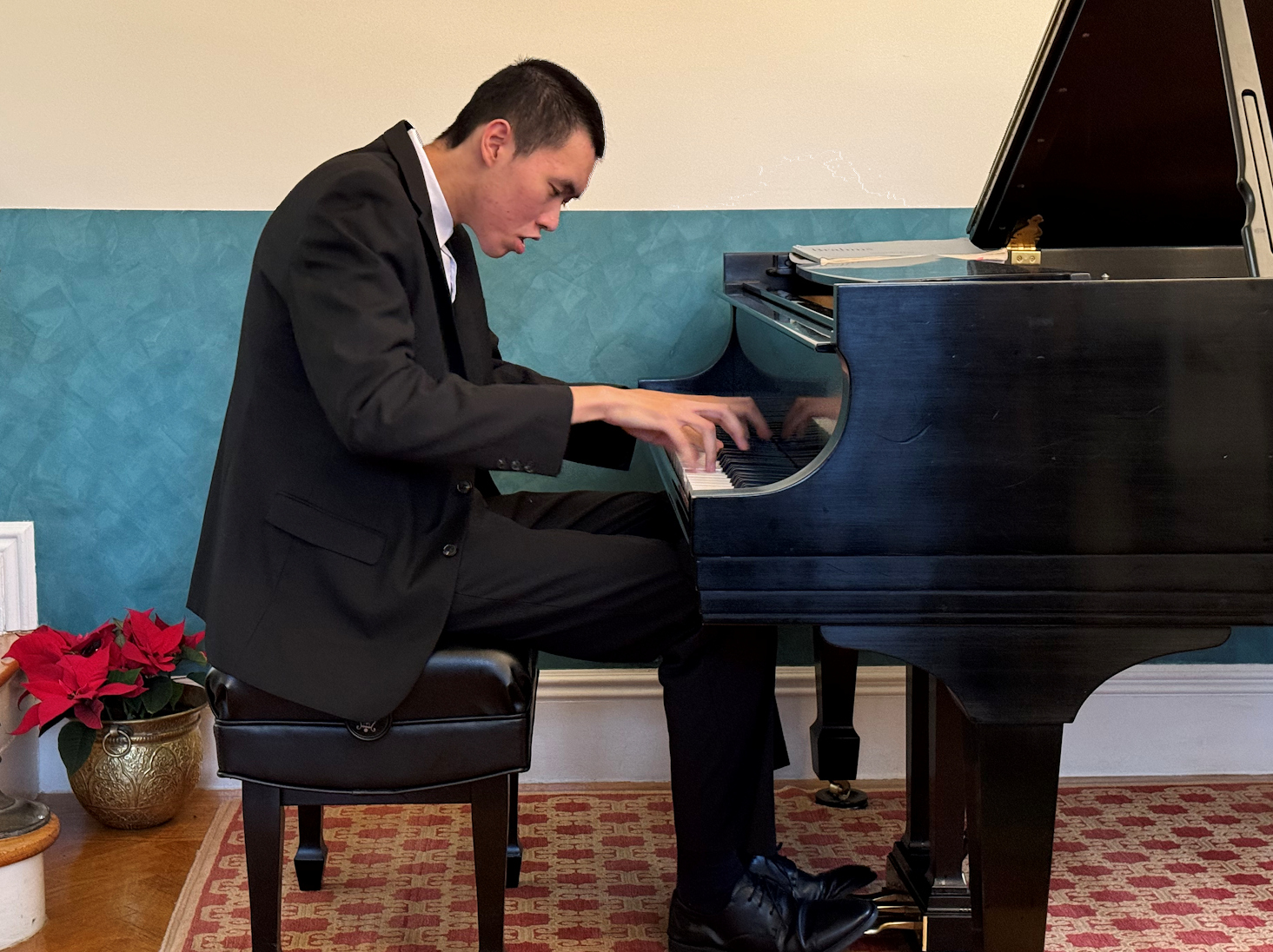
Jack Gao playing on Sunday January 7th 2024

I was thrilled to see Jack Gao perform at a salon concert in New York on January 7th. The concert was a co-presentation by host Robin Shoemaker and the Center for Musical Excellence, Director Min Kwon.

Ms. Kwon enthused about how well Jack played at the 2023 Gina Bachauer Piano Competition at Juilliard, where he won First Prize. More recently, he placed first at the 2023 Naumburg International Piano Competition.

She also noted that Jack will make his Carnegie Debut on February 5th 2024.

J. S. Bach: French Suite No. 5 in G major

Jack’s opening Allemande was elegantly phrased and captivating. I also enjoyed the contrast-laden Loure, whose halting tempo was sustained by effortless ripples and spiralling vortices.

But by far my favorite part of the Suite was Jack’s sublimely spiritual Sarabande, which at times hinted at Bach’s Goldberg Aria.

Beethoven: Piano Sonata No. 27 in E minor, Op. 90

I wasn’t sure what to make of this unusual sonata. The first movement was both pleasant and disturbing, light and dark, beautiful and dreadful. And yet there was always a sense that yin and yang would eventually resolve.

I liked how Mr. Gao evoked these contrasting moods. I liked when he unleashed Beethoven’s anguish and then let it fade. And I loved how he created those ethereal pianissimos. But I need to listen to this work again in order to grasp it better.

Liszt: Transcendental Étude No. 5, “Feux Follets”

After Beethoven’s relatively gloomy sonata, Liszt’s brash Etude allowed the pianist to have some much-needed fun. Jack’s delivery was a crowd-pleaser, entertaining and virtuosic.

Bartok: Piano Sonata

This Bartok was not an easy listen for me. While at times it was boisterously festive, at other times it felt like biting on eggshell in your omelet. This was no fault of the pianist, who played with power and conviction.

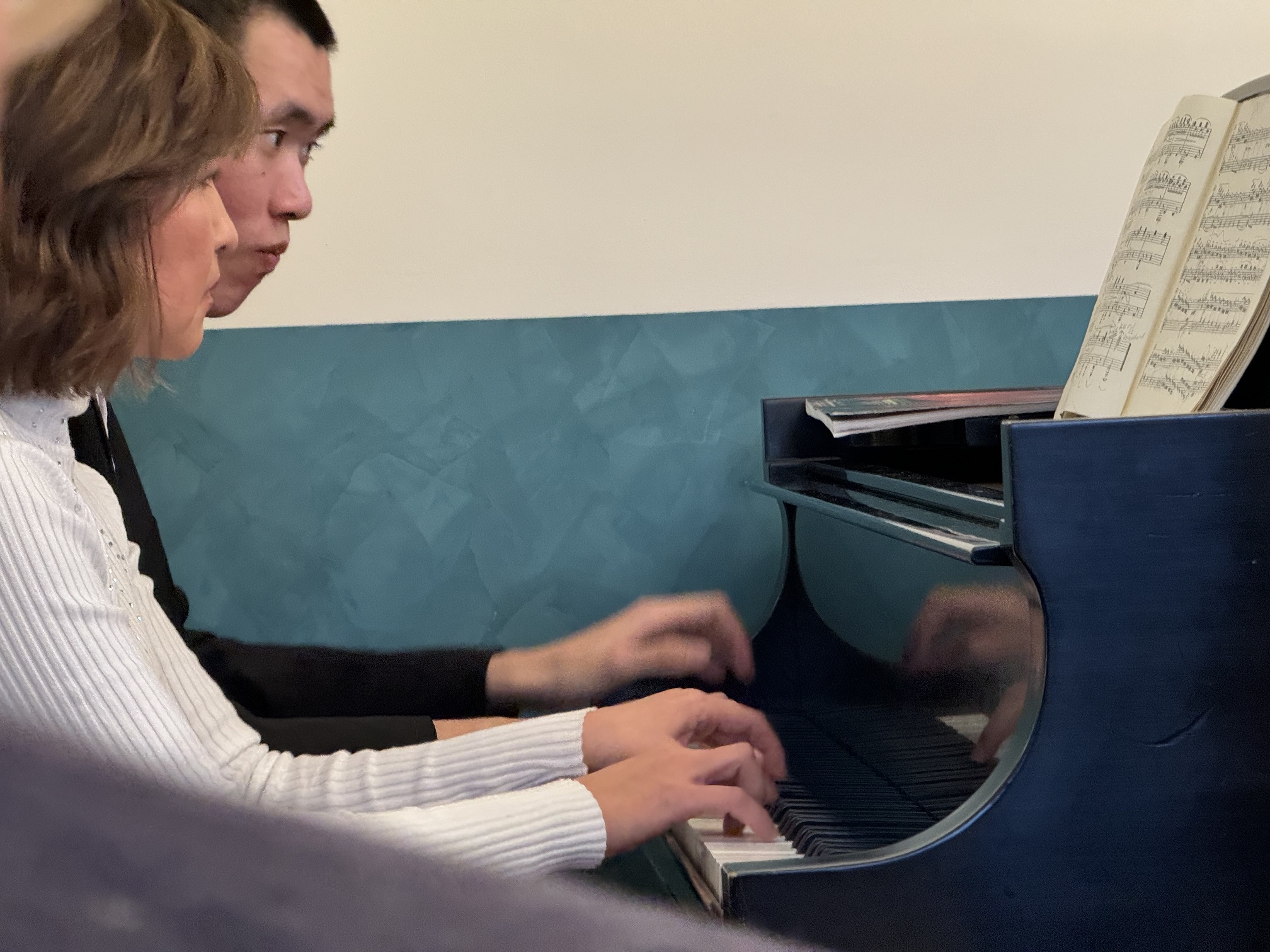
Min Kwon and Jack Gao play Brahms

Min Kwon and Jack Gao play Brahms

Brahms: Hungarian Dances No. 1 and No. 4 for four hands

For the first Brahms dance, Jack played Secondo (left side), powering Brahms’ lush, romantic main theme.  Ms. Kwon took Primo, sprinkling the room with upper register twinkles.

For the second dance, the pianists switched roles.  I found myself laughing as Jack played mischievous seconds. It was a spirited, entertaining performance.

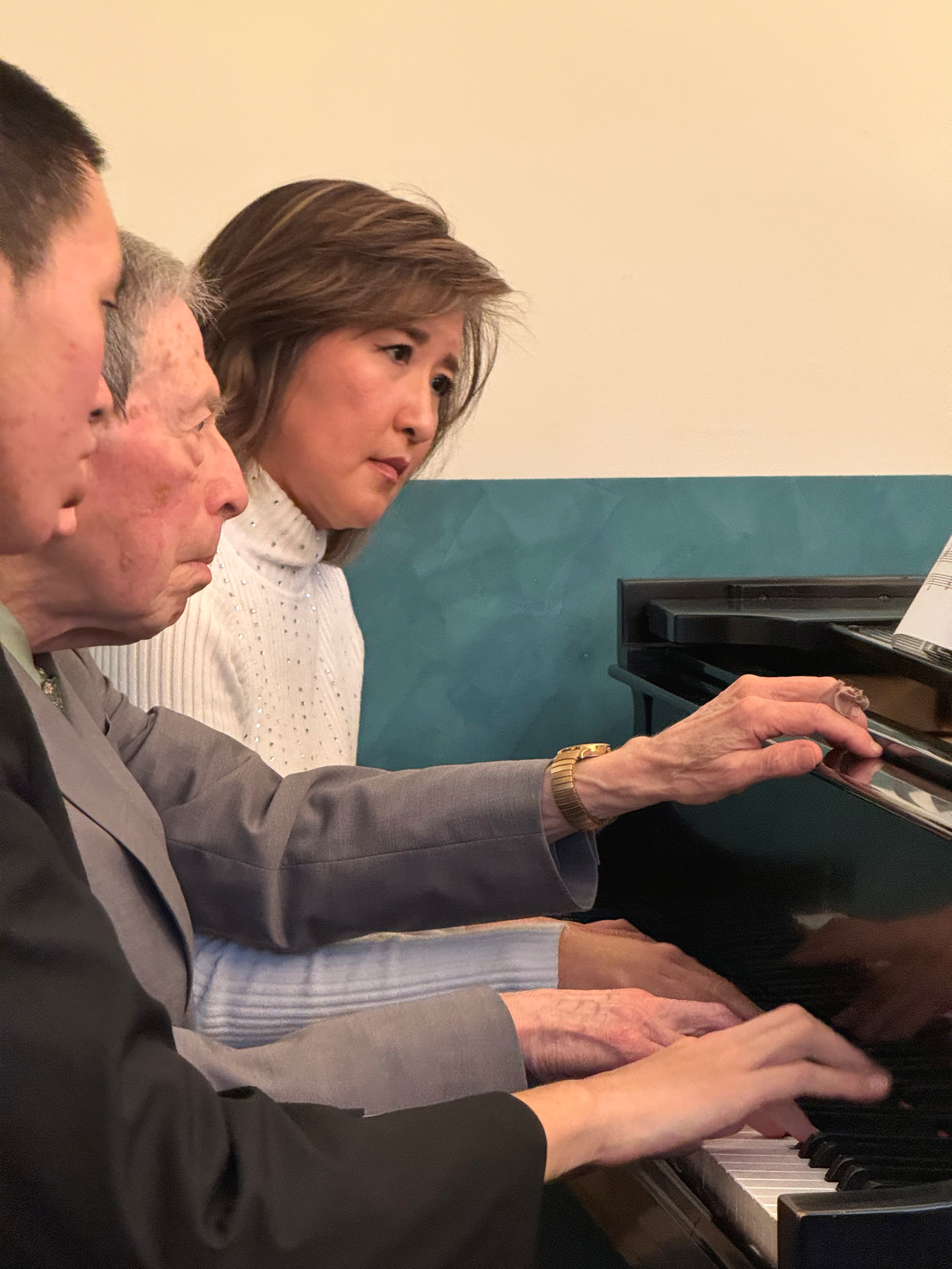
Gao, Lowenthal and Kwon play 6 hands

Gao, Lowenthal, Kwon

Surprises

Wrapping up the evening, Min Kwon introduced two distinguished members of the audience: pianist Ursula Oppens and pianist Jerome Lowenthal.

Mr Lowenthal joined Ms. Kwon and Mr. Gao to play Rachmaninoff’s Romance for 6 hands, a beautiful work that felt all the more special because it was being performed by pianists from 3 generations.

Unfortunately it also meant that this fascinating concert of contrasts was coming to a close.

Postscript

After the recital I spent a few minutes with Jack Gao. When I asked him how he felt about his Beethoven sonata, he lit up with enthusiasm and started explaining its construction. Jack is a versatile musician who clearly loves what he is doing, and his future looks bright.

Robin Shoemaker, Jack Gao and Min Kwon

Host Robin with Jack Gao and Min Kwon


Filed Under: Concerts, Private Concerts Tagged With: Bach, Bartok, Beethoven, Beethoven Piano Sonata No. 27, Brahms, Center for Musical Excellence, Jack Gao, Juilliard, Liszt, Min Kwon, Robin Shoemaker, sarabande, Yang (Jack) Gao

Next Page »

©2025 Ken Turner | Roving Pianist


Loading Comments...
 

You must be logged in to post a comment.