ROVING PIANIST

WHO KNOWS WHERE HE WILL SHOW UP NEXT?

  • Home
    • Register
    • Log In
  • Concerts
    • Public concerts
    • Private Concerts
  • Quick Takes
  • Piano Blog
  • Other
  • Contact
  • About
    • About The Author
    • Privacy Policy
You are here: Home / Archives for Concerts / Private Concerts

Violinist Magdalena Filipczak at the Anthoine Penthouse

Tuesday, June 4th, 2019 by Ken Turner

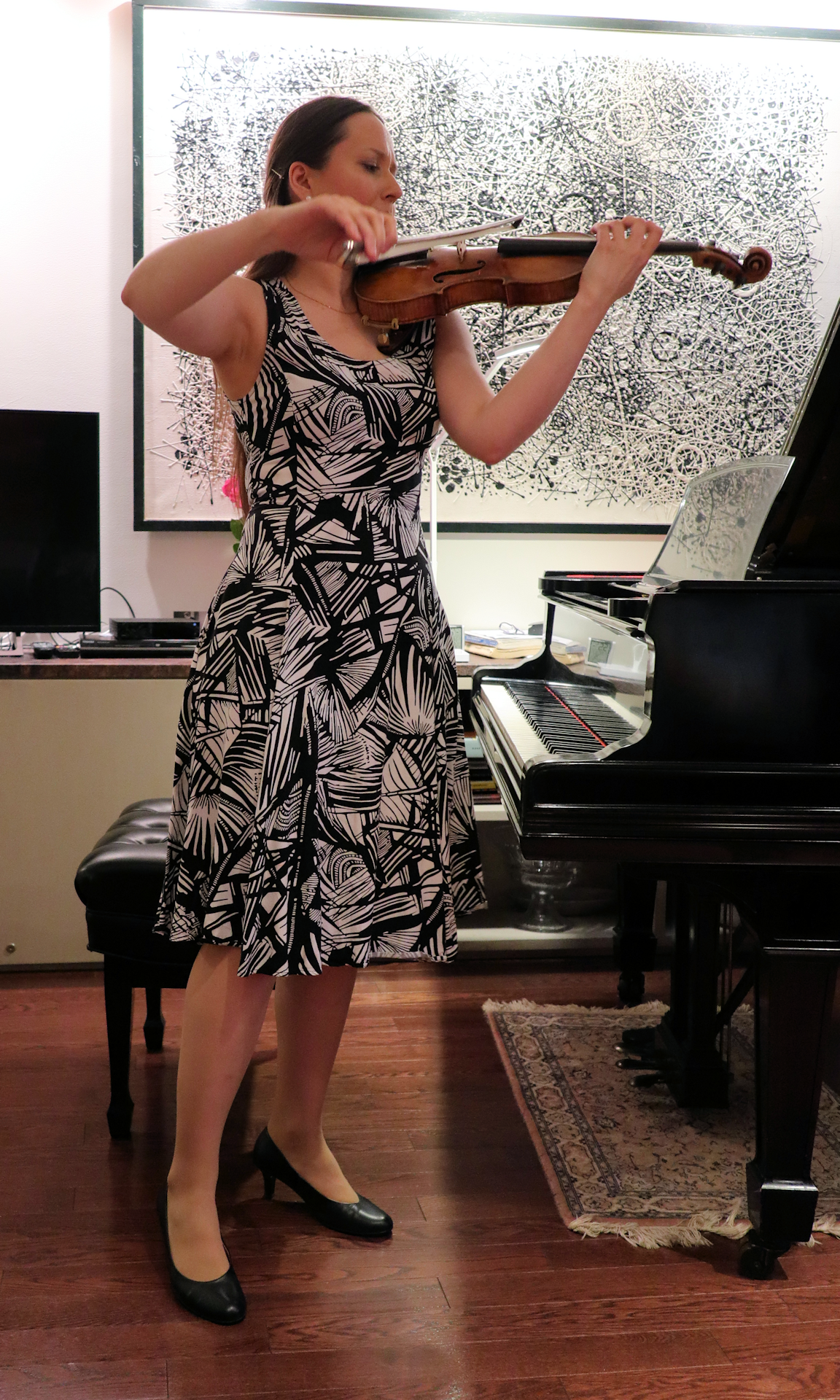
Magdalena Filipczak solo

On May 19th, 2019, violinist Magdalena Filipczak and pianist Jessica Xylina Osborne gave a recital at the Anthoine Penthouse in New York City. The program was an eclectic collection of 19th to mid-20th century works, with a sizeable Polish component.

Here are the works that were played.

Bacewicz: Polish Caprice for solo violin

This work was written by the Polish composer Grazyna Bacewicz, at one time a student of Nadia Boulanger. You can hear Grazyna herself play it. It is a brief, entertaining piece that opens in a reflective mood. It transitions to a fast dance, replete with challenges for the violinist.

Britten: Reveille

Magdalena’s interest in the music of Benjamin Britten dates back to years she spent in London, U.K. She likened this work to the violinist yawning as he gradually wakes up. Magdalena’s yawn was a muted portamento that repeats and evolves as the work progresses. Later we hear hints of a military trumpet. The work closes with sudden dissonance and a flourish. The reason for this was unclear to me. Did the violinist fall out of bed?

Wienawski: Polonaise in D major, Op. 4

Available on YouTube as Wieniawski Polonaise in D Major.
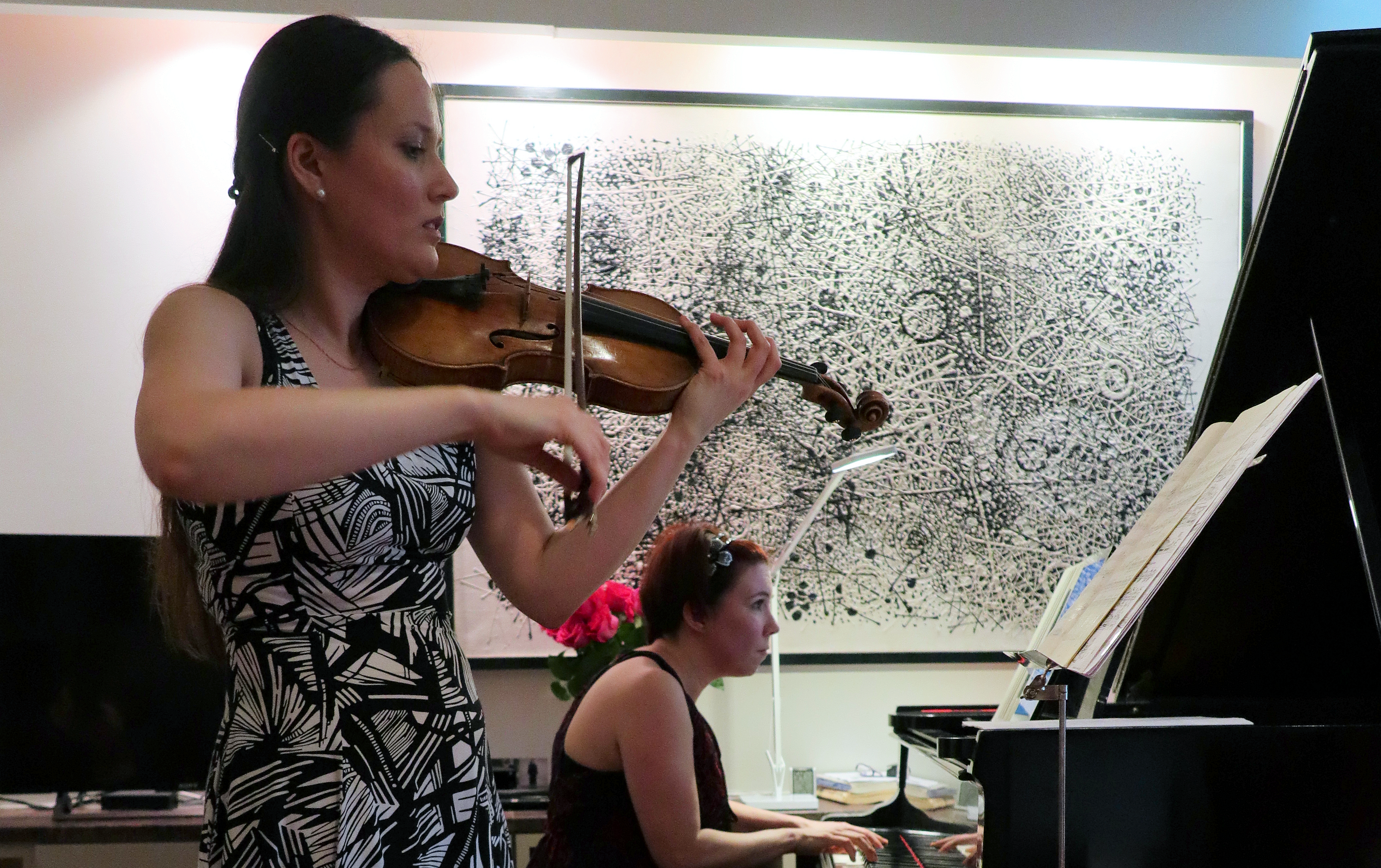
Magdalena Filipczak and Jessica Xylena Osborne

Previn: Song from Tango, Song and Dance

Magdalena played this sad, delicate work with grace. You can see Anne-Sophie Mutter play it at THE RECORDING OF TANGO, SONG AND DANCE.

Piazzola: Bordel from The History of Tango

I like Piazzola, but in this work the composer had pianist Jessica tapping rhythmically on the piano, which broke the spell.

Ravel: Blues (Violin Sonata No. 2, second movement)

This work was difficult to absorb on first hearing. There are echoes of Ravel’s Left Hand Piano Concerto mid-way through, but I did not feel that Blues was of comparable stature.

Szymanowski: Peasant Dance from Harnasie

Available on YouTube as Szymanowski Danse Paysanne from Harnasie (Filipczak)

Karlowicz: Selected songs, Op. 1

Ms. Filipczak is also a singer! She sang two short songs by Mieczyslaw Karlowicz, a composer whose short life crossed from the 19th to the 20th century. This delightful romantic fare was given life by Ms. Filipczak’s luxurious vibrato and closed on a perfect high note.

Debussy: Violin Sonata

This esoteric violin sonata was the composer’s last work. It’s not easy to follow, but Ms. Filipczak played it with conviction. It is available on YouTube as Claude Debussy Sonate No.3 Live Recording (Esther Abrami).

Wienawski: Fantasia on themes from Gounod’s Faust, Op. 20

This was my favorite work of the evening. At times sounding like a cross between Schubert and Chopin, it is a bright, approachable work. The interplay between Magdalena’s violin and Jessica’s piano was delightful.
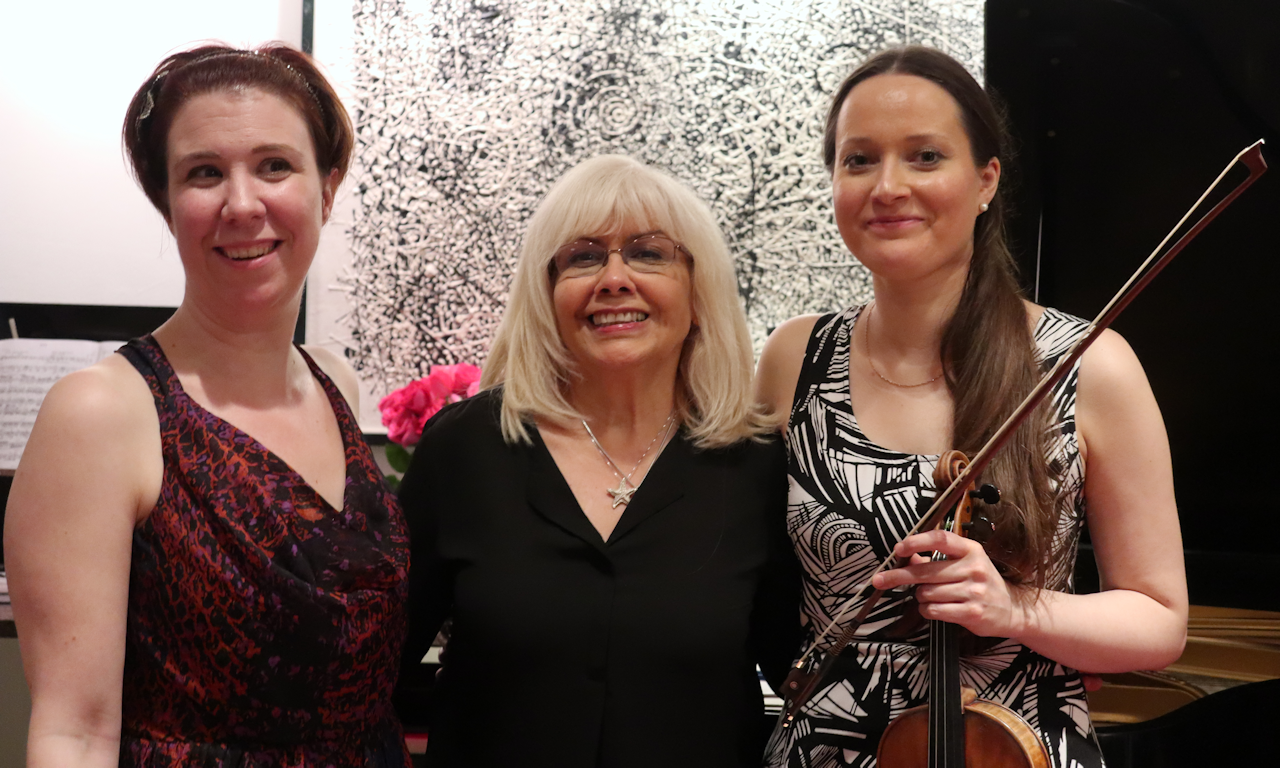
Jessica, host Rita, and Magdalena

Closing thoughts

The intimate performance space at the Anthoine Penthouse gave the audience a larger-than-life experience. In a modest-sized room, a violin has power and resonance that amplifies the emotional texture of a work.

My lasting impression of Ms. Filipczak’s performance is one of clarity, consistency and beauty.  I enjoyed almost everything that she played, and was impressed by what seemed to be effortless coordination between violin and piano.

On Wednesday, May 5th 2019 at 7:30 pm at The Kosciuszko Foundation in New York, you can see Magdalena and Jessica play this program. See Inspired by Song and Dance – A recital by Magdalena Filipczak, violin and Jessica Xylina Osborne, piano.
 

Filed Under: Concerts, Private Concerts Tagged With: Anthoine Penthouse, Debussy, Grazyna Bacewicz, Jessica Xylina Osborne, Karlowicz, Kosciuszko Foundation, Magdalena Filipczak, piazzola, Szymanowski, Wienawski

Rosa Chang, Carlos Arcos perform with Ivan Gusev in NYC

Friday, May 24th, 2019 by Ken Turner

On May 23rd, 2019 I was privileged to attend an opera recital at the Shoemaker Salon on Central Park West in New York. The event featured Korean soprano Rosa Chang, Ecuadorian baritone Carlos Arcos, and Russian pianist Ivan Gusev.

Ms. Chang previously sang at this venue in January 2018, which I reviewed here. Mr. Gusev recently gave a recital that included some of the works played this evening, reviewed here.

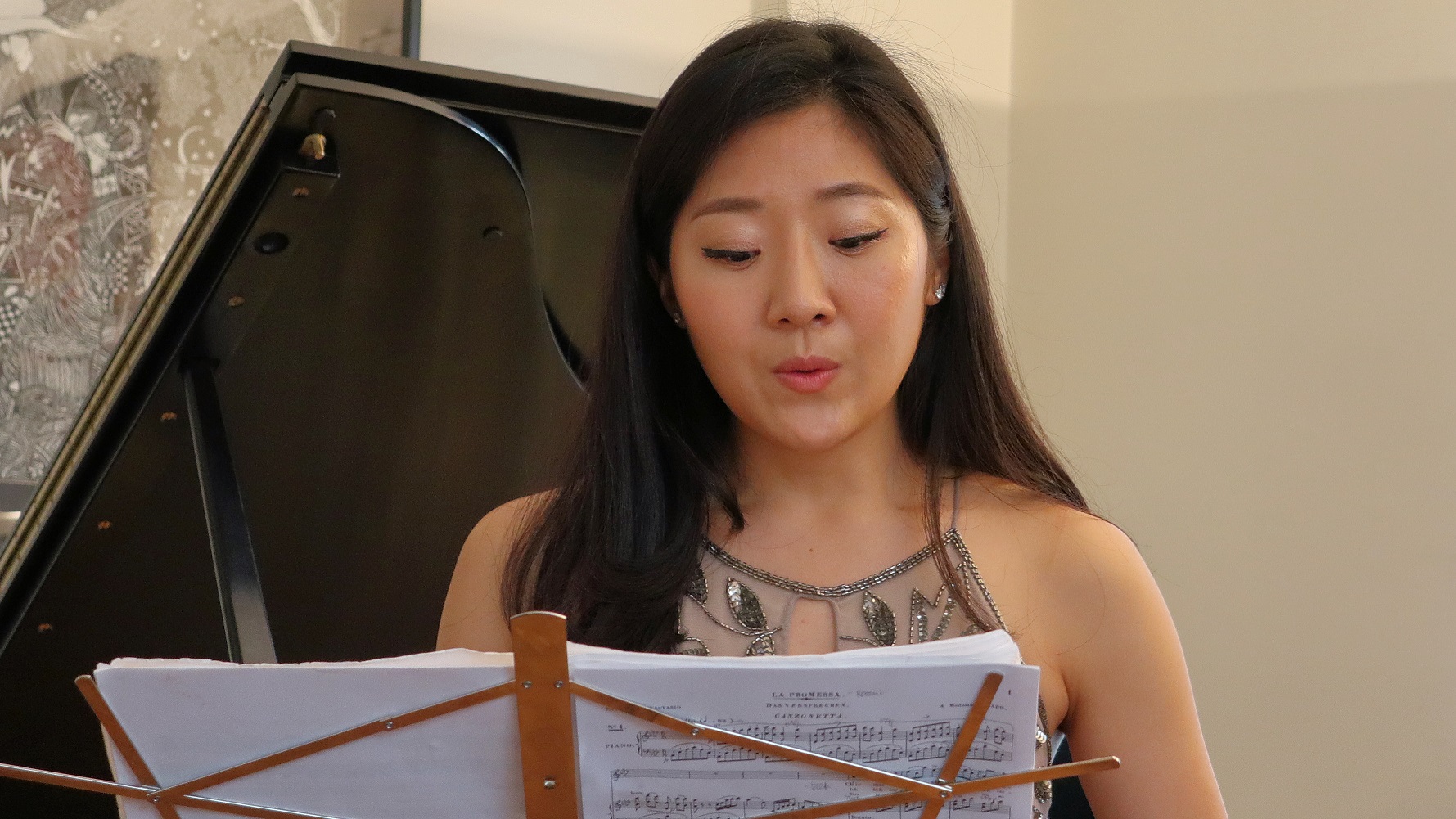
Rosa Chang: Rossini, Liszt and Fauré

Rosa Chang

Ms. Chang introduced each program item before singing it. This was informative and at times entertaining, making for a lively evening.

Rosa Chang’s La Promessa was a treat. Gusev’s sparkling piano intertwined with her conversational phrases in a charming duet. The aria closed on a sustained octave leap, which Ms. Chang hit and held flawlessly.

Throughout the evening Ms. Chang showed fine control over every aspect of her performance: her voice, expressions and gestures.

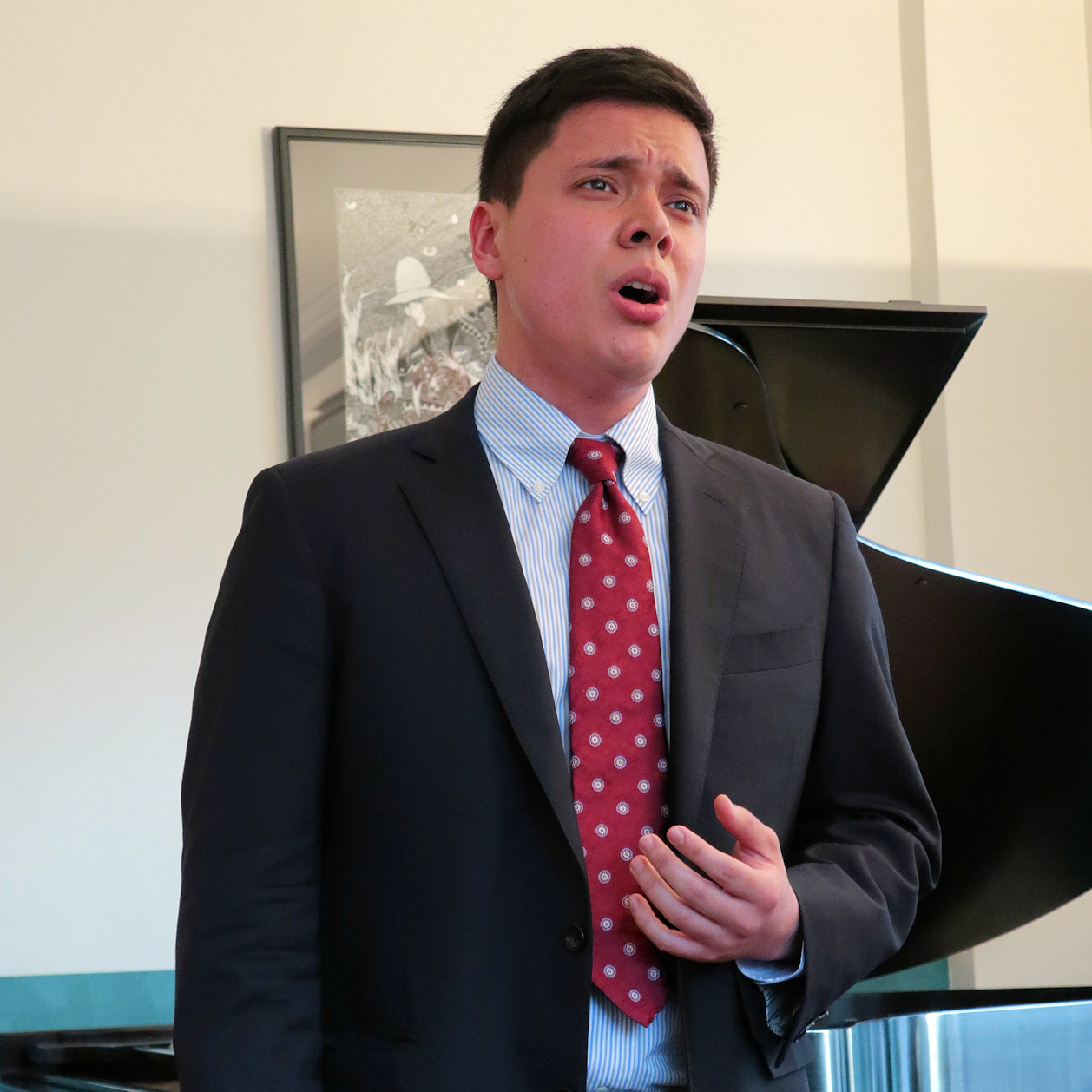
Carlos Arcos: Tosti, Reynaldo Hahn

Carlos Arcos

Mr. Arcos’s Tosti showcased his passionate delivery and magnificent voice. An Ecuadorian, he convinced me that he had become Italian for Tosti’s Non t’amo piu.

Carlos Arcos’s A Chloris opened with a harmonic progression on the piano that is reminiscent of Pachelbel’s Canon. Indeed after his performance, a member of the audience asked Arcos about possible influences.

Ivan Gusev plays Rachmaninov

Ivan Gusev: Rachmaninov, Paganini-Liszt

Rachmaninov’s Études Tableaux in A minor (“The Sea and the Seagulls”) is one of the composer’s crowning achievements.

Gusev’s performance was mesmerizing. I looked for a comparable performance on the Internet and found just one, by Vladimir Ashkenazy.

The work opens in a dream-like state. The right hand crosses the left to punctuate Rachmaninov’s reflective arpeggios with a slow bass motif..

This morphs into waves of excruciating collapse at 2:20, 2:50 and beyond. Then it transitions to a major key, only to slip back to the opening calm. These timings are with respect to Gusev’s 2018 Youtube video.

Gusev also played Liszt’s La Campanella, a demanding work that is as much fun to watch as it is to listen to.

Rigoletto, Don Pasquale, Camelot, La Traviata

After a short Intermission we heard three more excellent arias from Rosa Chang and one song from Carlos Arcos.

I don’t have room here to give a run-down on each item. However I would single out Mr. Arcos who, supported by pianist Gusev, gave a heartfelt rendition of If ever I would leave you, the show-stopping romantic ballad from Camelot.

Encores

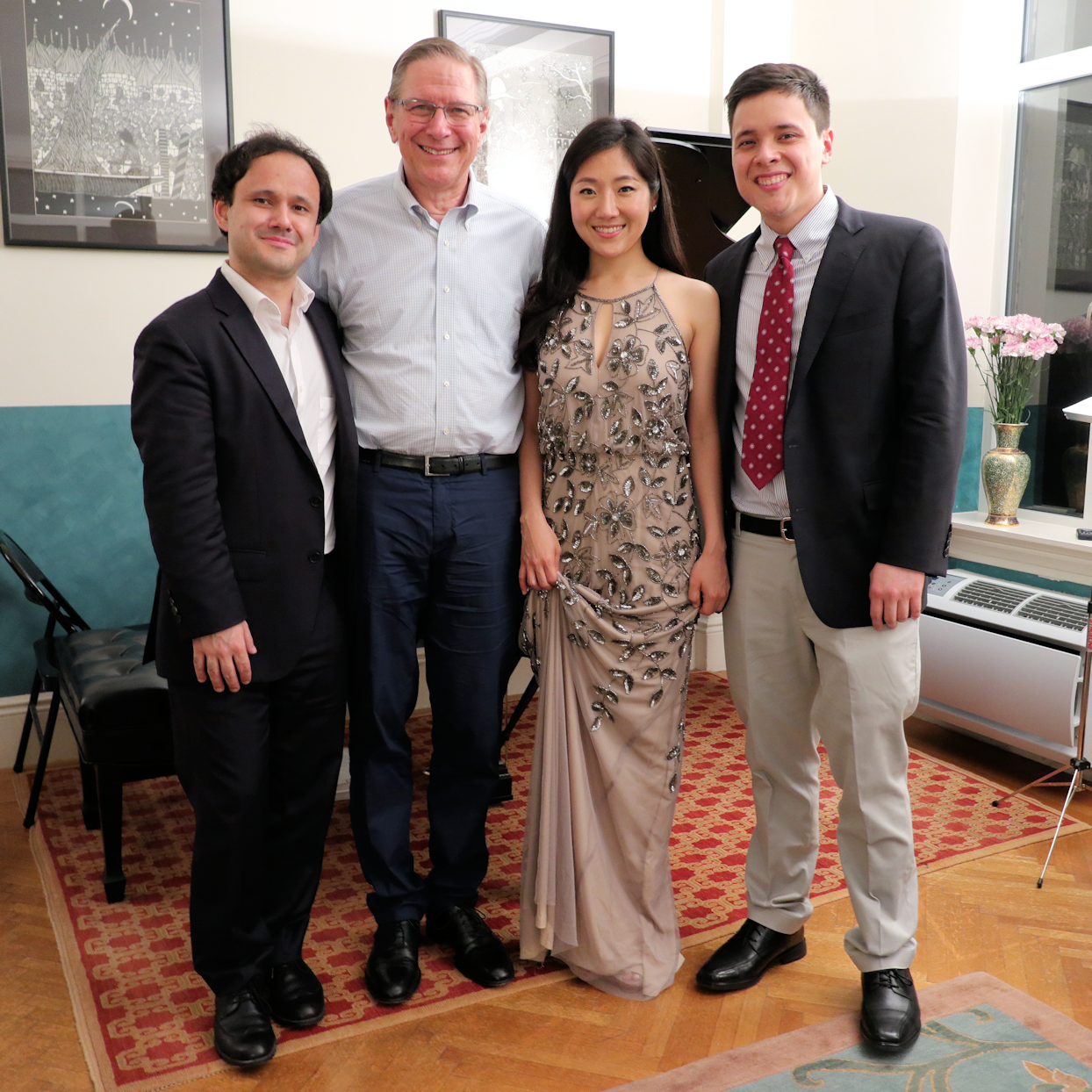
Ivan Gusev, Robin Shoemaker, Rosa Chang, Carlos Arcos

Carlos Arcos sang Pampamapa by Carlos Guastavino. The piano accompaniment for this Argentinian song at times imitates the strumming of a guitar.

Rosa Chang sang Puccini’s O mio babbino caro, The aching beauty of this aria is so typical of Puccini. Ms. Chang’s refined vibrato and her perfect attack once again resulted in an exquisite performance.

Ivan Gusev closed the evening with a virtuoso performance of Chopin’s Minute Waltz. I loved how he played with pacing in order to magnify the accelerando of the waltz.

Closing Thoughts

In these troubled times it is reassuring to see such diverse musicians collaborate to present an evening of great music.

Rosa Chang stood out as as a superlative soprano who could perform for the most discriminating audience.

Carlos Arcos pulled off a win despite joining the program at short notice.

And pianist Ivan Gusev played tirelessly through the entire evening, both as an accompanist and as a soloist.

Filed Under: Concerts, Private Concerts Tagged With: Camelot, Carlos Arcos, Carlos Guastavino, Chopin, Donizetti, Etudes Tableaux, Ivan Gusev, Liszt, Minute Waltz, O mio babbino caro, Paganini, Pampamapa, Puccini, Rachmaninov, Reynaldo Hahn, Robin Shoemaker, Rosa Chang, Verdi, Vladimir Ashkenazy

Pianist Ivan Gusev plays at Private Event

Saturday, May 18th, 2019 by Ken Turner

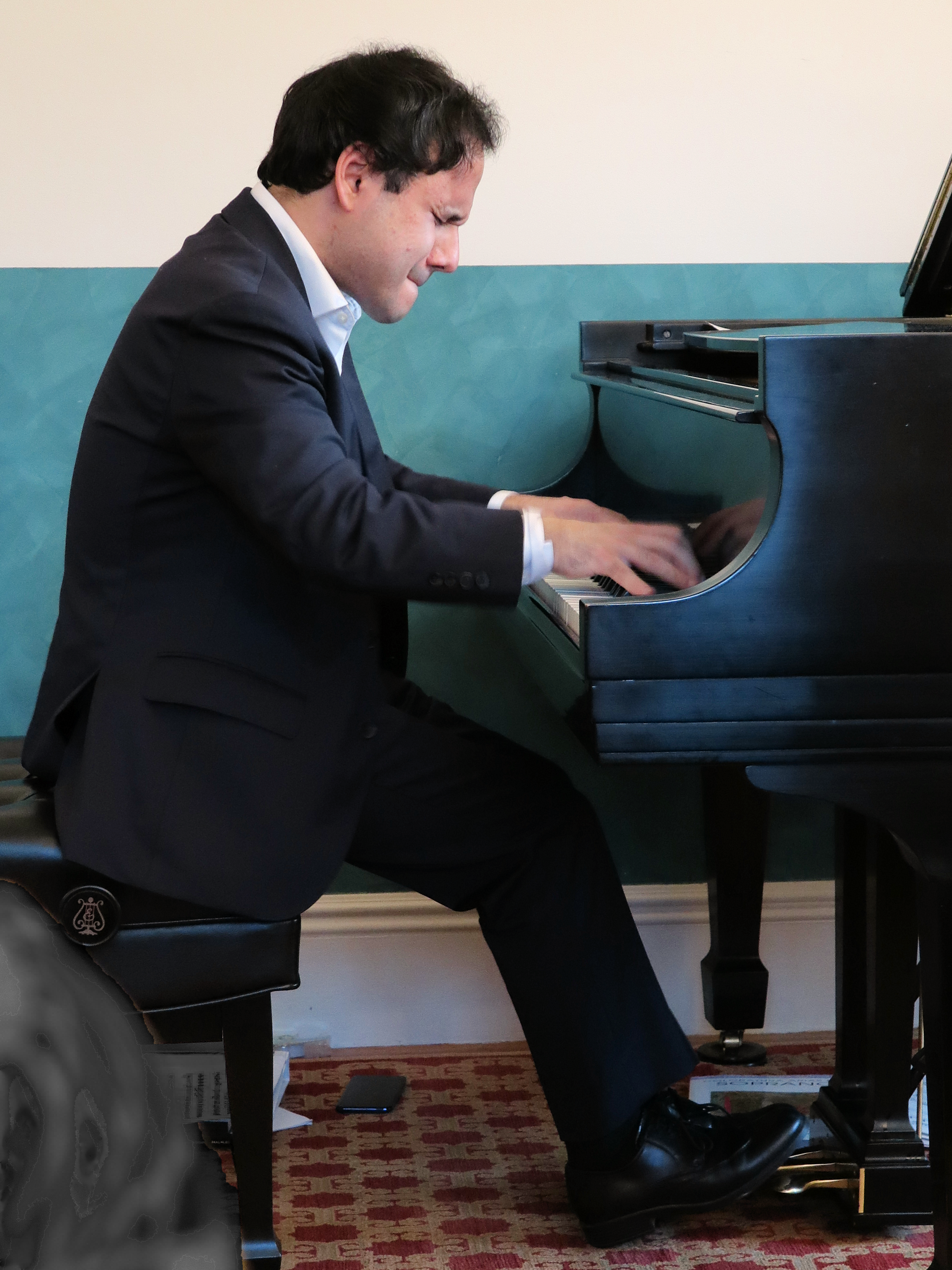
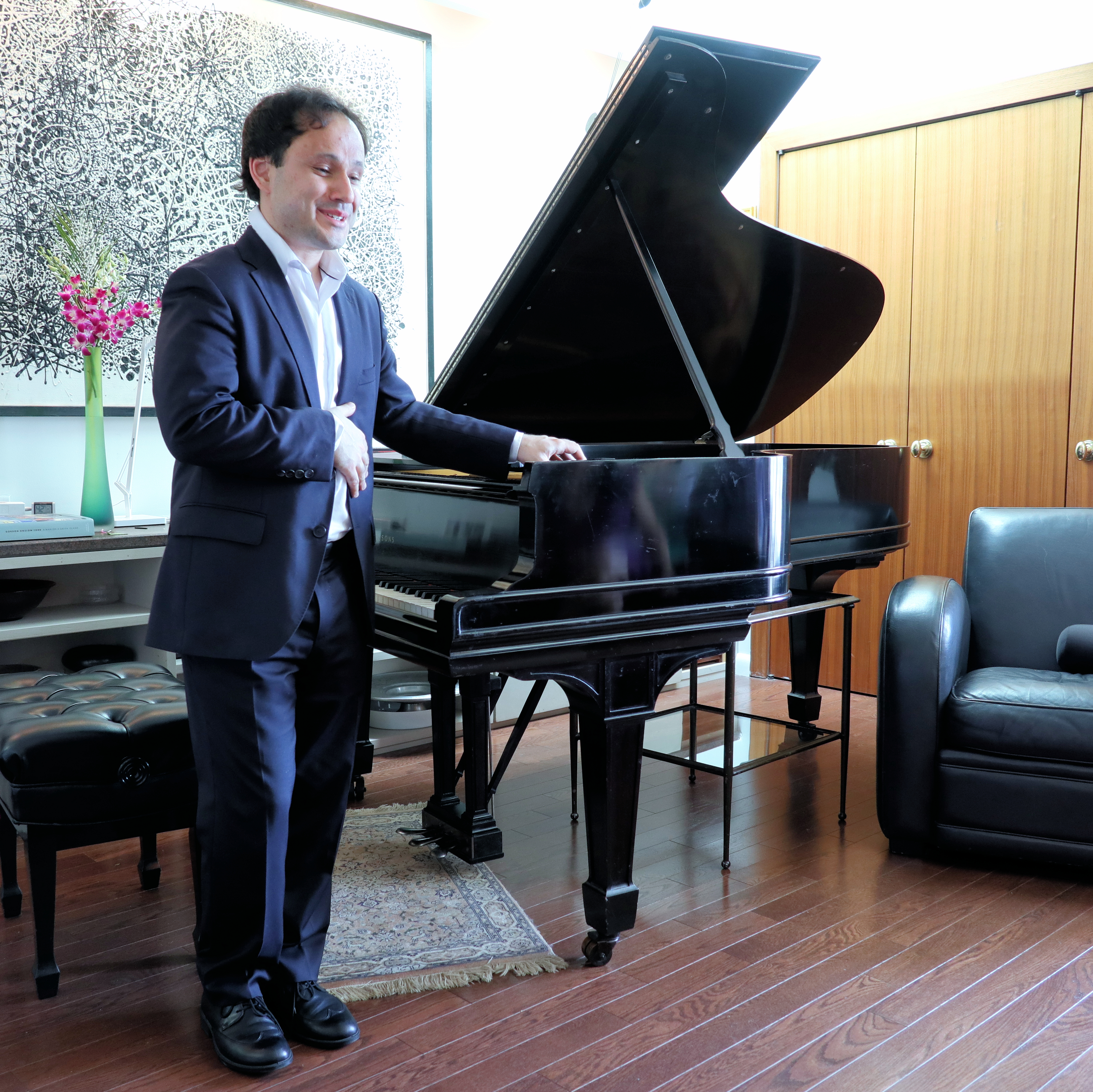
Ivan Gusev

Pianist Ivan Gusev was born in Kazakhstan. He has two degrees from the Moscow Conservatory, an institution that produces pianists of the pedigree of Emil Gilels, Sviatoslav Richter etc.

So when I received an invitation to attend Ivan’s recital in a private home, I was thrilled. A Russian School pianist playing Rachmaninov! I couldn’t wait to hear him play.

The program opened with some light Mozart. Thereafter the recital grew progressively more intense, closing with fireworks in the form of a virtuoso Rachmaninov prelude.

Mozart: Sonata No. 12 in F Major K322

Mozart’s Allegro opens friskily, bouncing back and forth to minor key arpeggios, with glimpses of Beethoven-like drama. Gusev glided through this with confidence.

The gentle Adagio over a clockwork (Alberti) bass introduced us to Gusev’s signature head-back eyes-closed happy face. Mozart can have that effect on people!

The closing Allegro Assai was a little more rambunctuous, giving Gusev room to show some pianistic flair.

Schubert: Four Impromptus, Op. 90

Gusev addressing the audience

Schubert’s weightier warmth allowed Gusev room to be more expressive. Here, as throughout the recital, I was struck by how focused he was and how rich his sound. The deep low end of the house Steinway helped.

Grieg: Six Poetic Tone Pictures, Op. 3

These short Grieg works are, as Gusev noted, very romantic. He played them with passion, but to me the works themselves were incoherent.

Here and there we heard echoes of a folk dance or a lullaby. At other times, Grieg sounded like Chopin having a bad practice day.

Rachmaninov: Three Etudes-Tableaux

Of the selected Etudes-Tableaux, I most enjoyed the first (A minor Op. 39 No. 2 “The Sea and the Seagulls”). Gusev’s resonant harmonics glowed. His right hand crossed his left in a slow, mesmerizing arc for the bass motif. Indeed his presentation of Rachmaninov’s cacophonous layers was so riveting that I momentarily forgot to breathe.

The E-flat minor had more of a movie-theme feel. It was expansive, pounding and appropriately slushy. After the opening drama and subsequent clatter the theme returned, crumbling into dissonance. Again Gusev projected emotion with controlled intensity.

Gusev gave an expansive, weighty performance of the C minor Op. 33 no. 3 (compare with Yuja Wang, Berlin 2018) . When the big theme came forward over a dominant low end, the result was quite different from what you hear in other performances. I loved it.

Rachmaninov: Prelude in B-Flat Major, Op. 23 No. 2

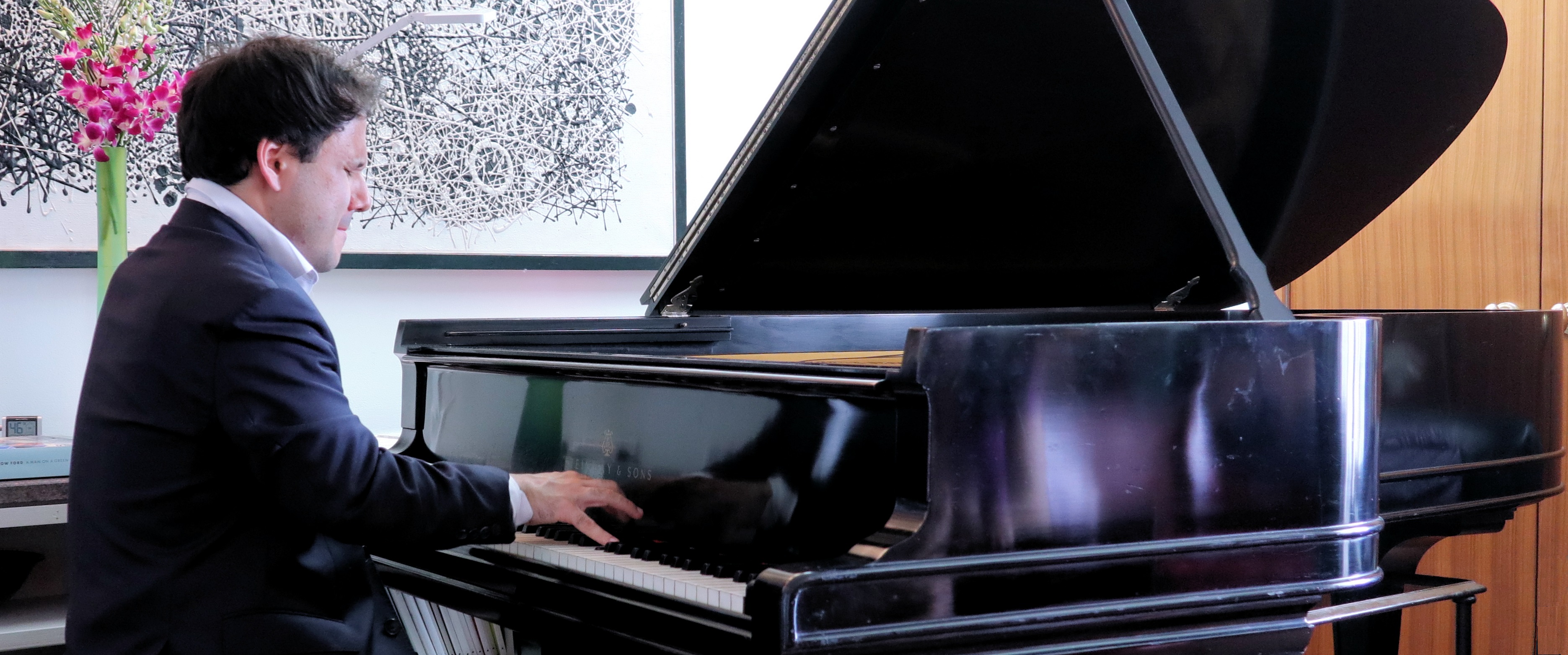
From the resounding opening through dazzling two-handed descents to glittering right hand swirls, Gusev threw everything he had into this showpiece. He appeared enraptured, playing with such vigor that the piano shook.

This was a remarkable performance, larger than the pianist and the setting. While one could nitpick here and there, I felt that this was Rachmaninov as he should be played. As the final chord faded, someone shouted “yeah!”. The pianist stood up with a huge grin. He knew that he had nailed it.

Encores: Chopin Waltzes

The first encore was Chopin’s Waltz in A minor Op. Post. This is a forgiving work that pianists can easily put their personal stamp on. Gusev’s Waltz was adventurous, with liberal rubato and fast upper register runs.  Finally, Gusev played Chopin’s Minute Waltz Op. 64 No. 1.

Russian soul?

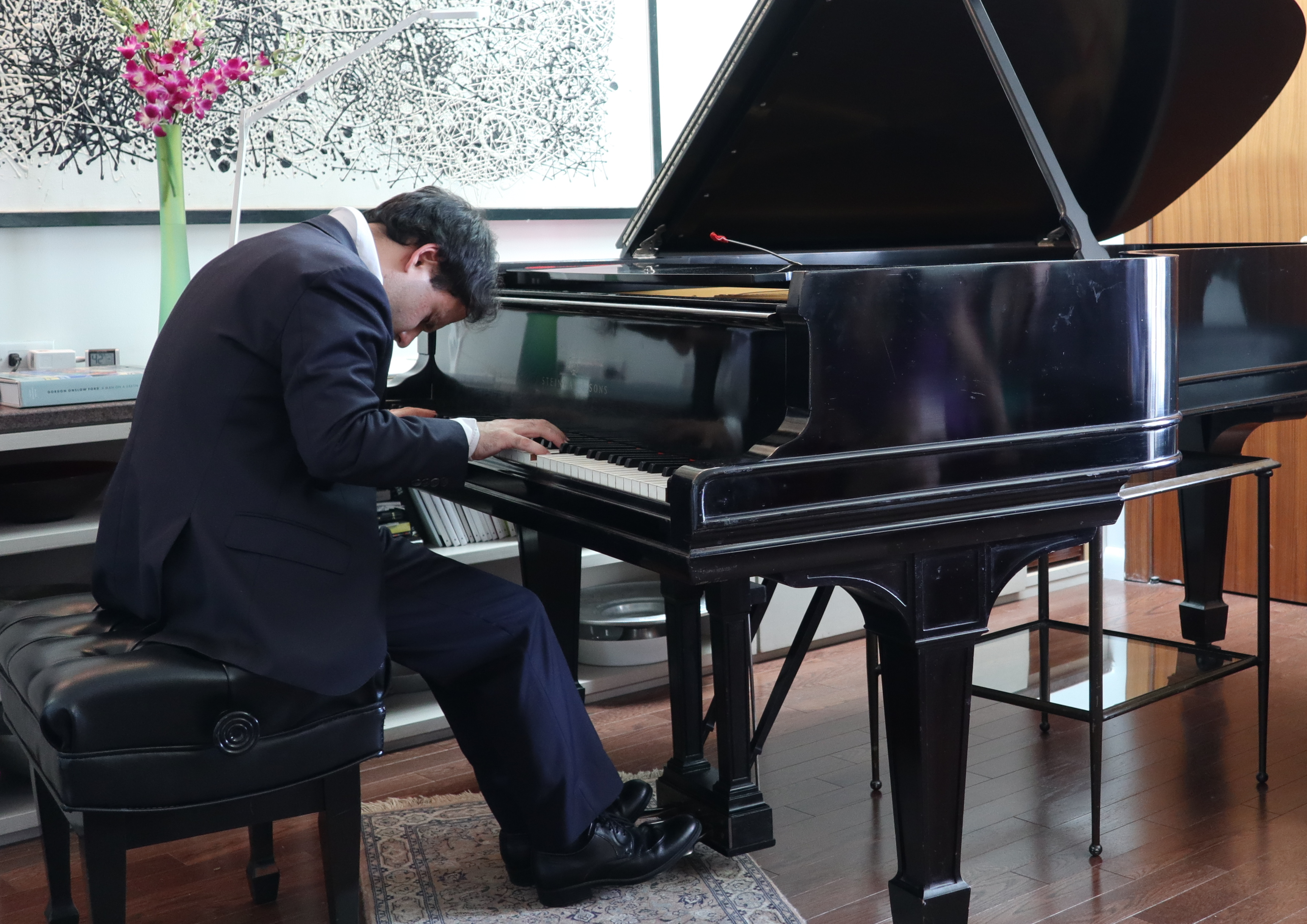
Ivan Gusev’s performance style is low-key. Sometimes he leans into the piano or tilts his head back. At other times, he raises an arm to punctuate a phrase. His facial expressions are not theatrical. They are those of a pianist immersed in creating an authentic musical experience.

With the exception of Grieg (for which I hold the composer responsible), Gusev’s entire recital was enjoyable. But his Rachmaninov outshone everything else. It was simply stunning.

Was this because Gusev is, as he explained to me, culturally 75% Russian? Or is it more a product of his Moscow Conservatory education? From either perspective, I miss only the vodka and zakuski.

Filed Under: Concerts, Private Concerts Tagged With: Chopin, Grieg, Ivan Gusev, Moscow Conservatory, Mozart, piano, Rachmaninov, Schubert

« Previous Page
Next Page »

©2025 Ken Turner | Roving Pianist


Loading Comments...
 

You must be logged in to post a comment.